
Unmasking Energy Vampires
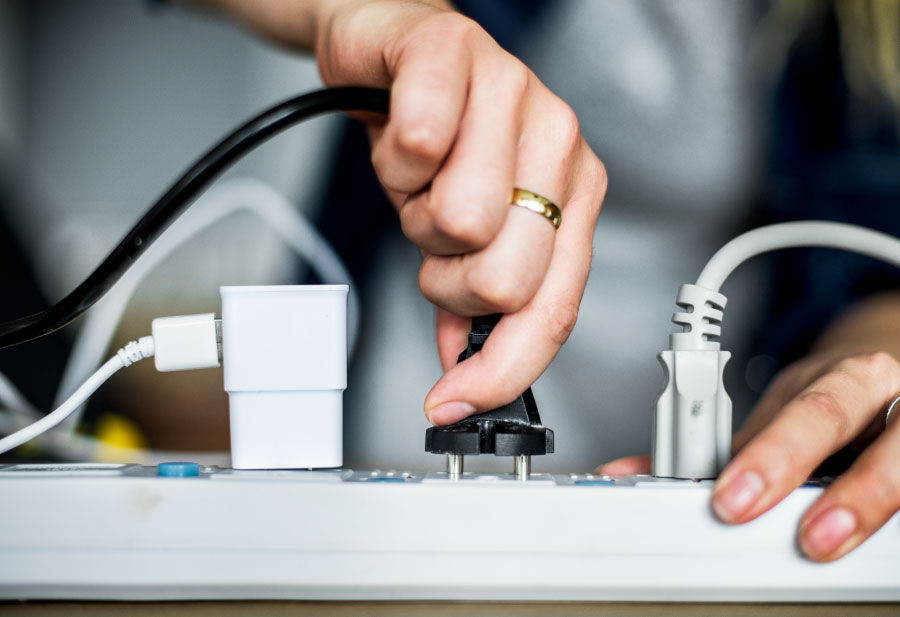
Electric energy vampires, devices that consume power even when turned off or in standby mode, drain electricity and contribute to waste. Fortunately, several effective strategies can mitigate the impact of these devices and lower your electricity demand . Here are five tips for dealing with these sneaky energy wasters:
Identify the Phantom Energy Culprits
Common Energy Vampires: Devices such as chargers, appliances with digital displays, game consoles, and electronics with standby modes are typical offenders. Look for a standby light or clock as an easy indicator these devices are using electricity. Once you understand the sources of your energy usage , you can start to take action to reduce waste.
Unplug Devices
Simple and Effective: The most straightforward method is to unplug devices when they are not in use. While this requires a bit of discipline, it is a guaranteed way to stop energy consumption.
Use Power Strips for Device Groups
Convenient Control: Plug multiple energy vampire devices into a power strip to easily power them all on or off as needed. This is especially useful for entertainment centers, where a TV, game console, and sound system can all be connected to a single strip.
Enable Energy-Saving Modes
Reduce Standby Power: Many modern devices have energy-saving or eco modes that reduce their vampire electricity consumption. Enable these settings on your TVs, computers, and other electronic devices to minimize their impact.
Upgrade to Energy-Efficient Devices
ENERGY STAR® Appliances: When it is time to replace an old appliance, look for the ENERGY STAR® label. These appliances are designed to consume less energy when active and reduce vampire electricity when in standby mode. When you switch out an inefficient appliance with a qualifying ENERGY STAR® one, you can earn a rebate from Santee Cooper .
Energy vampires may seem insignificant, but they make a cumulative impact on both your energy costs and the environment. By identifying these devices and taking proactive steps to limit their power consumption, you can make your home more energy-efficient and reduce unnecessary expenses.
For more than 90 years, Santee Cooper has been serving the people of South Carolina. The utility is South Carolina’s largest power provider and the ultimate source of electricity for 2 million people across the state. Through its affordable, reliable and environmentally responsible electricity and water services, and through innovative partnerships and initiatives that attract and retain industry and jobs, Santee Cooper helps power South Carolina. To learn more, visit www.santeecooper.com and follow #PoweringSC on social media.